Nutrition Awareness
What the Weekly Vegetable Record Reveals About Portion Habits
Eleanor Whitfield
·
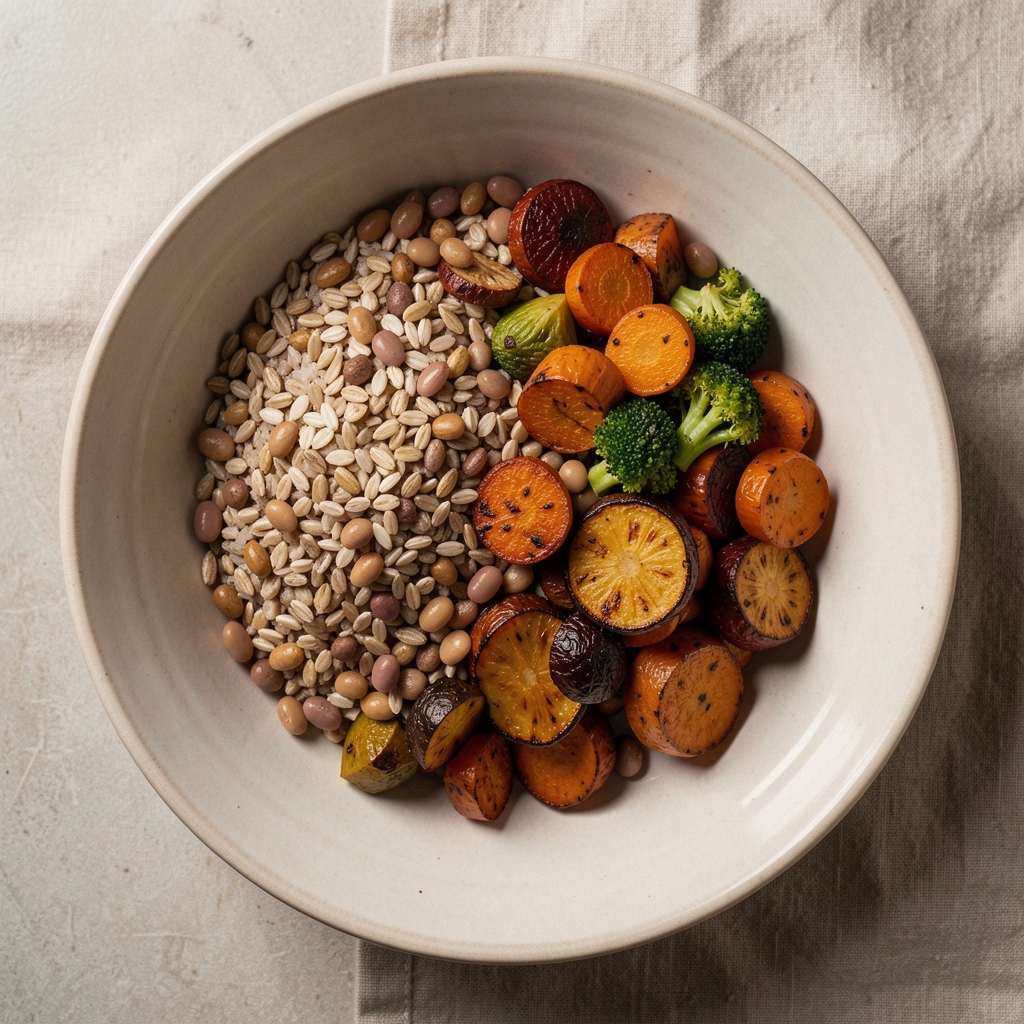
London, 1 April 2026 — Over a three-month span running from early January through the end of March, the proportion of plant-based meals in the weekly eating record was gradually increased — not abruptly, not with a fixed target, but through a deliberate practice of making one or two additional plant-forward choices each week until they occupied the majority of the record. This piece documents what that shift looked like, and what the relationship between plant-forward eating and weight awareness appeared to be across that period.
Plant-forward, as used in this record, does not mean exclusively plant-based. It means a meal in which legumes, whole grains, vegetables, or fruit constitute the primary portion on the plate — with animal products, where present, in a supporting or incidental role. A bowl of spiced lentils with a poached egg on top is a plant-forward meal by this definition. A grilled chicken breast with a token salad leaf is not.
This distinction matters because the record is not one of dietary restriction. Nothing was excluded. The shift was toward proportion, not prohibition. In week one of January, roughly three meals per week met the plant-forward definition. By the end of March, the figure was closer to ten or eleven per week across the typical fourteen to sixteen eating occasions recorded.
The mechanism of increase was incremental. Each week, if a meal would typically have been built around a meat or fish component, a legume or grain equivalent was considered as an alternative. Sometimes the alternative was chosen; sometimes it was not. The record simply noted what was eaten. The pattern of gradual increase is visible in the weekly totals, but it was not engineered — it was observed as it emerged.
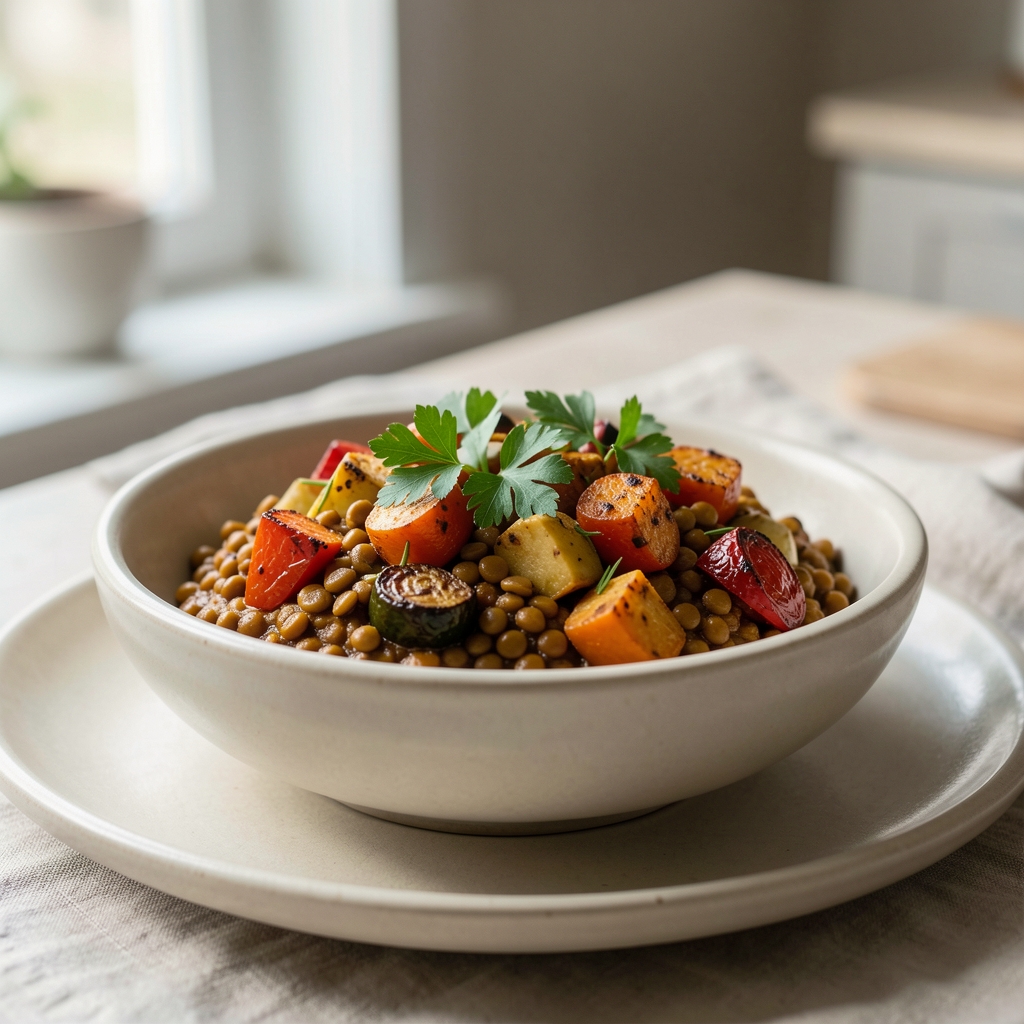
Fig. 01 — Plant-forward midday bowl, February 2026
One of the more immediate observations in the January record was the increase in dietary variety that accompanied the shift toward plant-forward eating. A meal built around lentils or chickpeas requires accompaniments — a roasted vegetable, a fresh element, a grain — that a meat-centred meal does not always prompt in the same way. The structural logic of a plant-forward plate tends toward variety by default.
This variety matters for what nutritional research describes as fibre intake and its relationship to a sense of fullness between meals. Legumes and whole grains contribute to a sense of satiety in the hours following a meal, an effect that is widely documented in nutritional literature. The record did not formally measure satiety, but the notation of additional eating occasions between meals — what the record called "between entries" — decreased noticeably across the three-month period, which may or may not be related.
By February, the variety in the daily record had broadened considerably. Meals that would not have appeared in a January week — roasted cauliflower with tahini and pomegranate, a winter grain salad with preserved lemon, a broad bean and herb frittata — had become part of the regular rotation. This broadening was not intentional in the sense of being planned. It followed naturally from the exploration that plant-forward cooking encourages, because the ingredient range is wider.
"The structural logic of a plant-forward plate tends toward variety by default. Variety is not an effort — it is a consequence of the cooking approach."
Eleanor Whitfield — Field Notes, March 2026
The three-month record coincided with one of the more interesting transitions in the English seasonal produce calendar: the move from late-winter root-and-brassica abundance through the spare weeks of early March — when the British winter offerings are at their most limited — into the first signals of spring in late March, when wild garlic, early radishes, and the new season's asparagus begin to appear.
Seasonal produce mattered to the record because plant-forward eating is, in practice, driven by what is available and affordable at the moment of shopping. In the deep weeks of January, the plant-forward record was dominated by root vegetables, stored squash, dried legumes, and preserved items — a different palette from the lighter, fresher compositions that became possible by mid-March. The record shows this as a texture change across the three months, not a dramatic shift, but a perceptible one.
The practical observation is that plant-forward eating in England is easier in spring and summer than in winter, not because the approach fails in winter, but because the available ingredients impose a narrower palette. Accepting this seasonal rhythm — heavier and more storage-reliant in winter, fresher and more varied in spring — is part of what makes the approach sustainable across the full year, rather than something that is abandoned when fresh summer produce disappears.
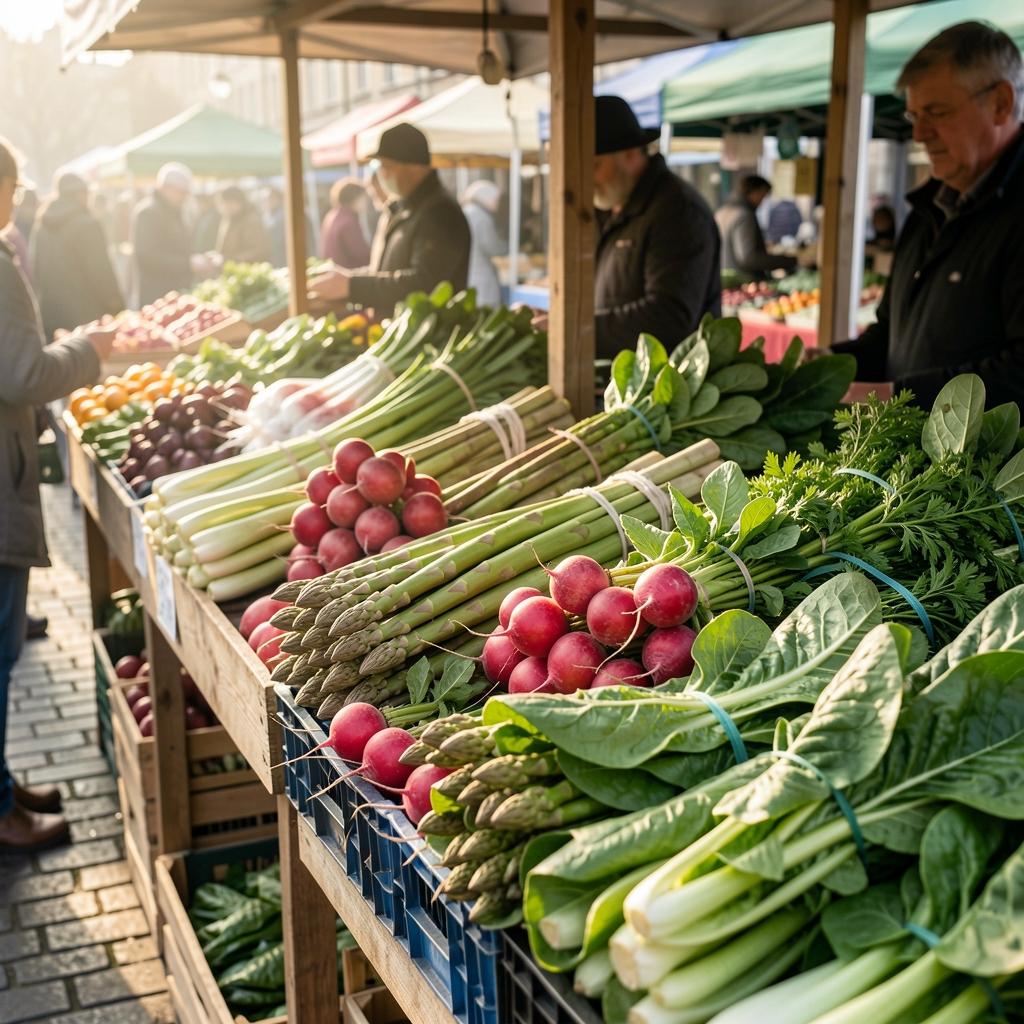
Fig. 02 — Late March produce at the market, early spring signal
Weight was measured informally and infrequently during this period — once at the beginning of January, once in late February, and once at the end of March. The purpose of these measurements was not to track progress toward a goal. It was simply to have a reference point within the broader observational record, consistent with the journal's position that weight is one data point among many rather than the primary lens through which food choices should be evaluated.
What the three measurements showed was a small but consistent decrease across the period — modest enough that it falls within the range of normal daily variation and should not be attributed with confidence to the dietary shift. It would be an overstatement to claim that plant-forward eating produced weight change in this instance. What can be said is that the shift in eating pattern did not produce weight increase, and that the broader relationship between food quality, variety, and the body's own weight regulation — documented in nutritional literature across many decades — appeared, in this small personal record, to be operating in a direction consistent with that literature.
The journal's position on gradual weight change is unchanged by this record: it is a slow process, driven by consistent pattern shifts rather than short-term interventions, and best understood over months and seasons rather than weeks. Three months is a beginning, not a conclusion. The record will continue.
The most durable observation from the three-month record is also the least quantifiable: the shift toward plant-forward eating increased the frequency and engagement with home cooking. This happened because plant-forward cooking, more than most other approaches, requires actual cooking. Dried legumes need soaking and time. Whole grains need rinsing and simmering. Roasted vegetables need an oven and patience.
This requirement is, paradoxically, one of its advantages. Home cooking allows portion awareness, ingredient awareness, and the kind of direct engagement with food that the nutritional literature consistently associates with better eating outcomes. Not because cooking is virtuous, but because it introduces the cook to their ingredients before they become a meal — a form of attention that purchased, prepared, or delivered food does not provide in the same way.
By the end of March, home cooking occupied more of the weekly schedule than it had in January. This was not a planned outcome. It was a consequence of the shift toward plant-forward eating, which required it. The record documents this as one of the most significant observations of the three-month period — not a dietary claim, but a practical observation about what different eating patterns actually demand of the person doing the eating.

Eleanor Whitfield is the founding editor of Stenlow Gazette. She writes on nutrition practice, seasonal produce, and the everyday relationship between food choices and weight awareness from the journal's Clerkenwell office.
More from the journal